
Finding Calm in the Chaos: A Guide for Caregivers& Educators

Updated: 10 minutes ago
Why Staying Calm Matters
When a child with autism feels overwhelmed, their world can feel confusing and scary. Your calm presence acts like an anchor. It helps them feel safe and understood. When you stay steady, you can respond with kindness and patience instead of reacting out of stress.
I’ve seen how caregivers who learn to manage their own emotions can make a huge difference. It’s not about being perfect or never feeling upset. It’s about recognizing your feelings and choosing how to respond. This skill helps reduce burnout and builds stronger connections.
Simple Steps to Find Calm Quickly
When things get intense, it’s easy to feel trapped in the moment. Here are some simple steps I use to help myself pause and reset:
Take a deep breath: Slow, deep breaths can lower your heart rate and clear your mind. Try breathing in for four counts, holding for four, and breathing out for six.
Ground yourself: Notice five things you can see, four you can touch, three you can hear, two you can smell, and one you can taste. This helps bring your focus back to the present.
Use a calming phrase: Find a short phrase that feels soothing, like “I am here” or “This will pass.” Repeat it quietly to yourself.
Step back if you can: If the situation allows, take a moment away to collect your thoughts. Even a few seconds can help.
These small actions don’t take much time but can shift your mindset. Over time, they become habits that help you stay steady.
Creating Calm Environments in Schools and Homes
Calm doesn’t just come from inside us. The spaces around us play a big role too. I’ve found that small changes in the environment can make a big difference for both caregivers and children.
Soft lighting: Bright or flickering lights can be overwhelming. Use lamps or natural light when possible.
Quiet corners: Designate a spot where anyone can go to take a break and feel safe.
Organized spaces: Clutter can add to stress. Keep areas tidy and predictable.
Sensory tools: Items like weighted blankets, fidget toys, or noise-canceling headphones can help children regulate their senses.
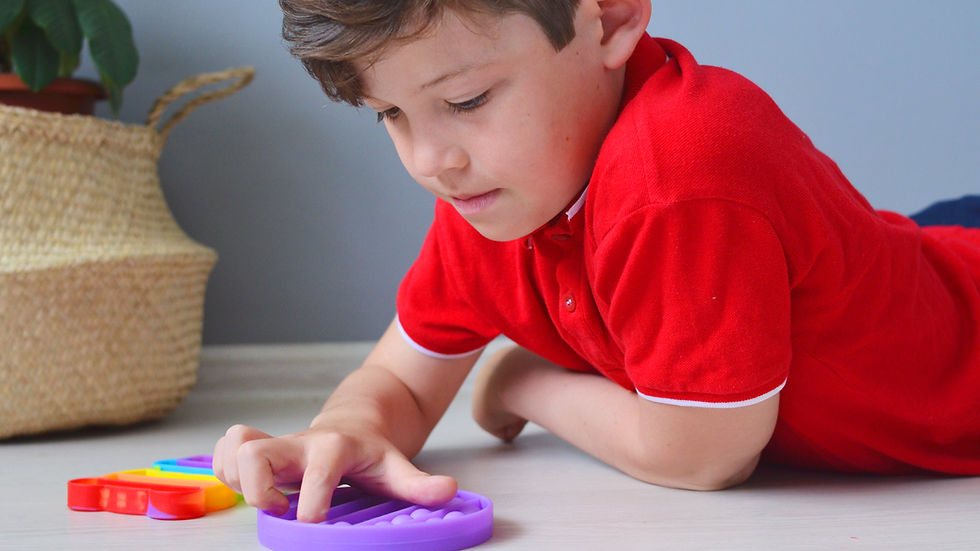
Sensory corners provide a safe retreat for children to calm down.
Supporting Yourself as a Caregiver or Teacher
It’s easy to forget your own needs when you’re focused on others. But your well-being is the foundation of your care. Here are some ways to support yourself:
Set boundaries: Know your limits and communicate them kindly.
Ask for help: You don’t have to do everything alone. Reach out to colleagues, friends, or support groups.
Practice self-compassion: Be gentle with yourself when things don’t go as planned.
Schedule breaks: Even short moments of rest can recharge your energy.
You've Got This! encourages caregivers to see their own care as part of the caregiving process. It’s not selfish, it’s necessary.
Using Mindfulness to Stay Present
Mindfulness means paying attention to the here and now without judgment. It’s a powerful tool for managing stress. You don’t need special equipment or hours of practice. Even a few mindful moments can help.
Try this quick exercise:
Sit comfortably and close your eyes.
Notice your breath as it moves in and out.
If your mind wanders, gently bring it back to your breath.
Do this for one to two minutes.
This practice helps you stay grounded and respond calmly instead of reacting impulsively.
When Overwhelm Feels Too Much
Sometimes, despite your best efforts, the stress can feel too heavy. It’s okay to acknowledge that. Seeking support from a counselor, therapist, or support group can provide relief and new strategies.
Remember, you are not alone. Many caregivers and teachers face similar challenges. Sharing your experiences can lighten the load and build connection.

Finding a quiet place to rest can help caregivers recharge.
Moving Forward with Calm and Confidence
Learning to stay calm in overwhelming moments is a journey. It takes practice, patience, and kindness toward yourself.
By caring for your own well-being, you create a ripple effect. The children you support feel safer, calmer, and more understood. Your calm becomes their calm.
If you want to start your journey toward greater calm, explore the book, Finding Your Lost Self.
Remember, you are the calm in the chaos. Your presence matters more than you know.
This post is for informational purposes only and does not replace professional advice.

About
Dolly Tampos Oksman, MA, MAEd-SPED, CAS, is an autism specialist, special education teacher, transformational speaker, and certified wellness and mental health coach. She is the founder of Love. Heal. Believe.™ and creator of the Calm in Chaos™ movement and PEACE Pathway™. Through her writing, speaking, and coaching, she empowers caregivers and educators of autistic children to navigate stress, prevent burnout, and cultivate inner peace so they can become the calm autistic children need.
Connect with Dolly: www.lovehealbelieve.com


Comments